
Why Contractors Choose One Coat Only HS Plus for Coating Timbers
Exterior timber usually fails one of two ways. Either the finish can’t handle the wood moving with the weather, or it demands more upkeep than anyone actually wants to give it. One Coat Only HS Plus was built to fix both, and the numbers on the spec sheet back that up.
The Real Reason Stains Crack and Peel
Most exterior stains are film formers. They cure into a layer that sits on top of the timber rather than in it. That's a problem because timber is hygroscopic, meaning it's constantly taking on and releasing moisture as the seasons change, swelling and shrinking along the way. A rigid film can't move with the wood, so eventually it splits. That's the actual mechanical cause behind cracking, peeling, and flaking. It's not bad luck, and it's usually not an application error either.
One Coat Only HS Plus is a pigmented Hardwax-Oil, not a film former. It's formulated with a high solids content and de-aromatized (benzene-free) white spirit so it penetrates into the timber's cell structure instead of capping the surface. The finish stays microporous, so vapour can still move through it, which means the timber keeps breathing naturally without tearing the coating apart. That's why it holds up where a conventional stain won't.
How One Coat Only Handles Pitch and Resin Bleed
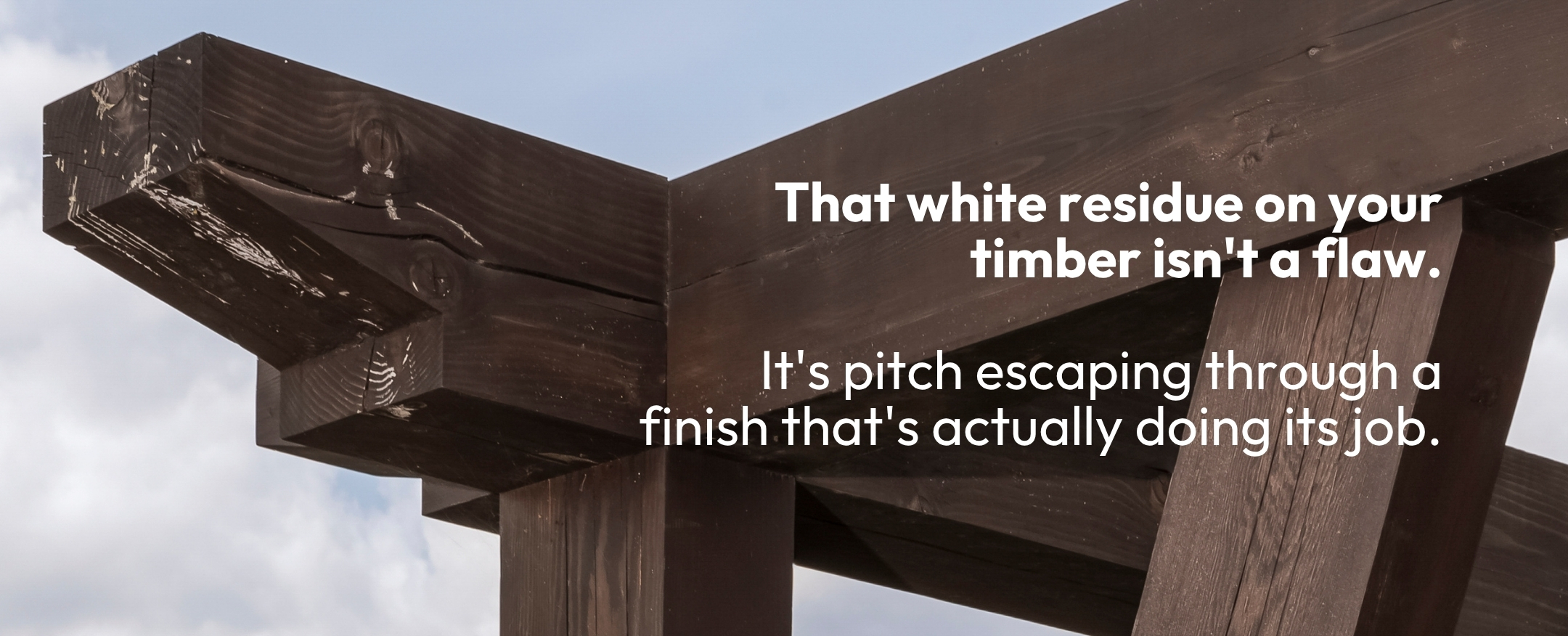
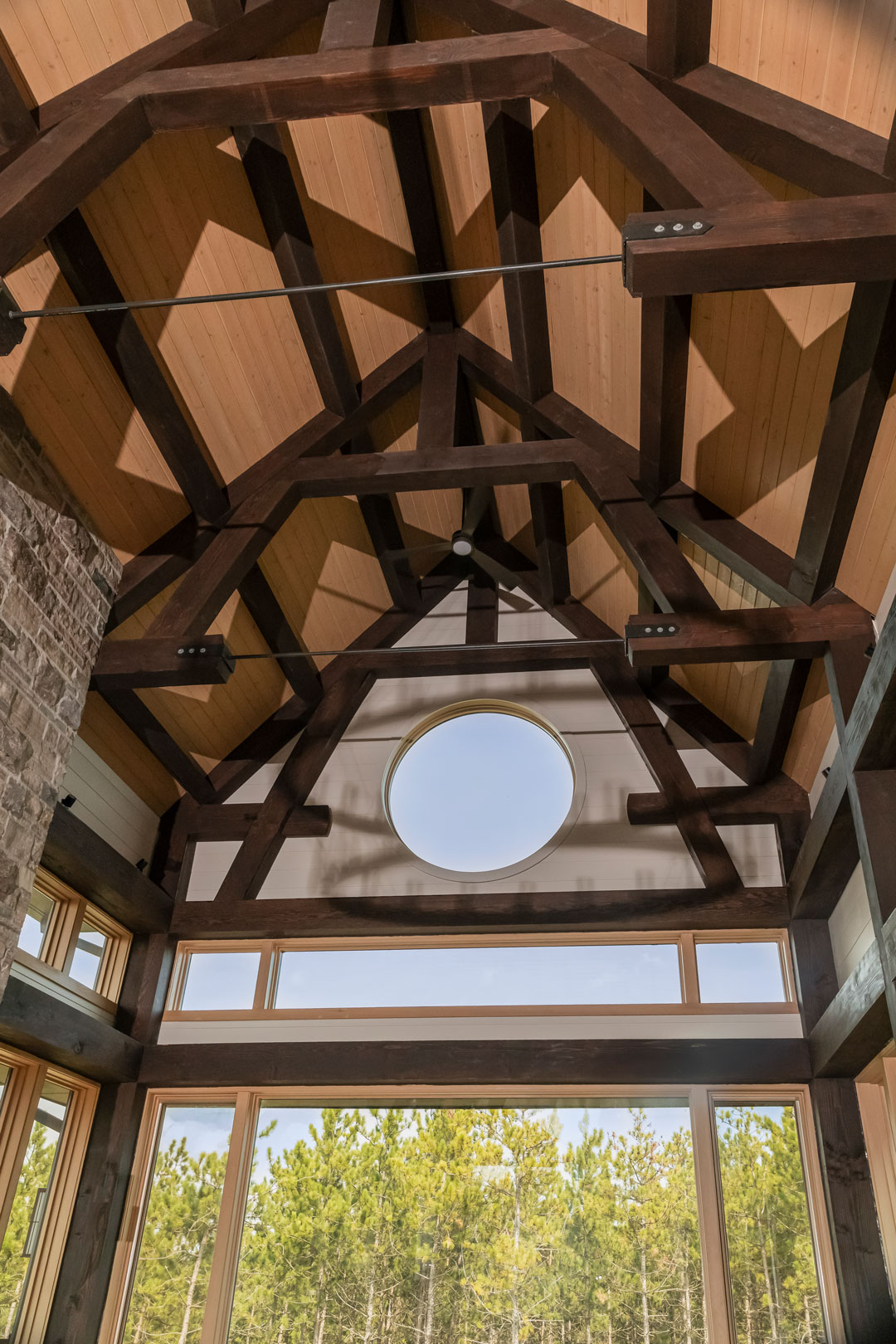
If you look closely at a freshly coated timber frame, especially around knots, you might notice small amounts of white or amber residue working its way to the surface. That's pitch, the natural resin found in softwoods like Douglas fir and pine, and it's not a sign of finish failure. It's actually proof the finish is doing exactly what it's supposed to do. Because Osmo's oil-based system is microporous rather than film-forming, it never seals the wood under an airtight layer. That means moisture, and yes, pitch, can still find their way out through the coating instead of getting trapped underneath it. Compare that to a varnish or polyurethane finish, where that same resin pressure has nowhere to go and often ends up causing bubbling, cracking, or peeling down the line. With Osmo, the wood keeps behaving like wood. It breathes, it moves, it releases what it needs to release, and the coating simply lets that happen without losing its own integrity. For heavy timber applications where large structural members are often installed at higher moisture content, that flexibility isn't a nice-to-have. It's the difference between a finish that lasts and one that fails from the inside out.
What One Coat Actually Gets You
This isn't a marketing shortcut. It comes down to the formulation. A higher solids content means more protective material lands on the wood with less product, which is what allows HS Plus to do the job in one thin coat where a lower-solids stain needs two or three passes to get to the same place.
- Coverage: approximately 280 ft² (26 m²) per litre with one coat, on sanded wood
- Dry time: about 12 hours at 23°C and 50% relative humidity (expect longer in cooler or damper conditions)
- Viscosity: 18 to 26 seconds (DIN EN ISO 2431, 4mm), thin enough to spread evenly without over applying
- Flash point: above 61°C, so standard solvent based handling precautions still apply
For a contractor, that means fewer labour hours and fewer cans per job. For someone doing it themselves, it's the difference between finishing in a weekend versus spreading the project over two or three.
Maintenance Without the Sanding
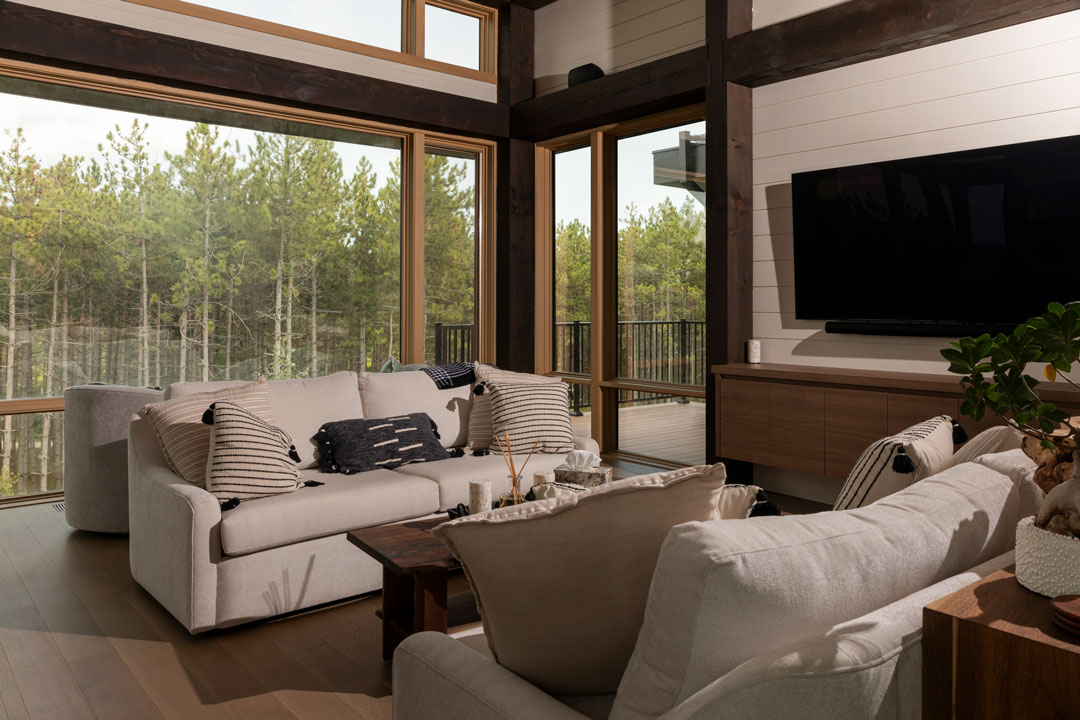
Because the finish soaks in rather than sitting on top, refreshing it later doesn't mean stripping the old coat first. Clean the surface, apply a fresh thin coat, and you're done. Compare that to a peeling stain, which usually means a full sand or strip before you can even think about recoating. A poor finish choice up front ends up costing more every time it needs maintenance.
Where the Safety Data Matters
One Coat Only HS Plus is low solvent, high solids, and doesn't rely on biocides or preservatives to do its job. Once it's fully cured, it meets EN 71.3, the European safety standard for children's toys, and DIN 53160, which covers resistance to saliva and perspiration. That's not just a soft claim. It matters in a real way for anyone coating fencing or furniture near play areas or pets.
A Note on UV Exposure
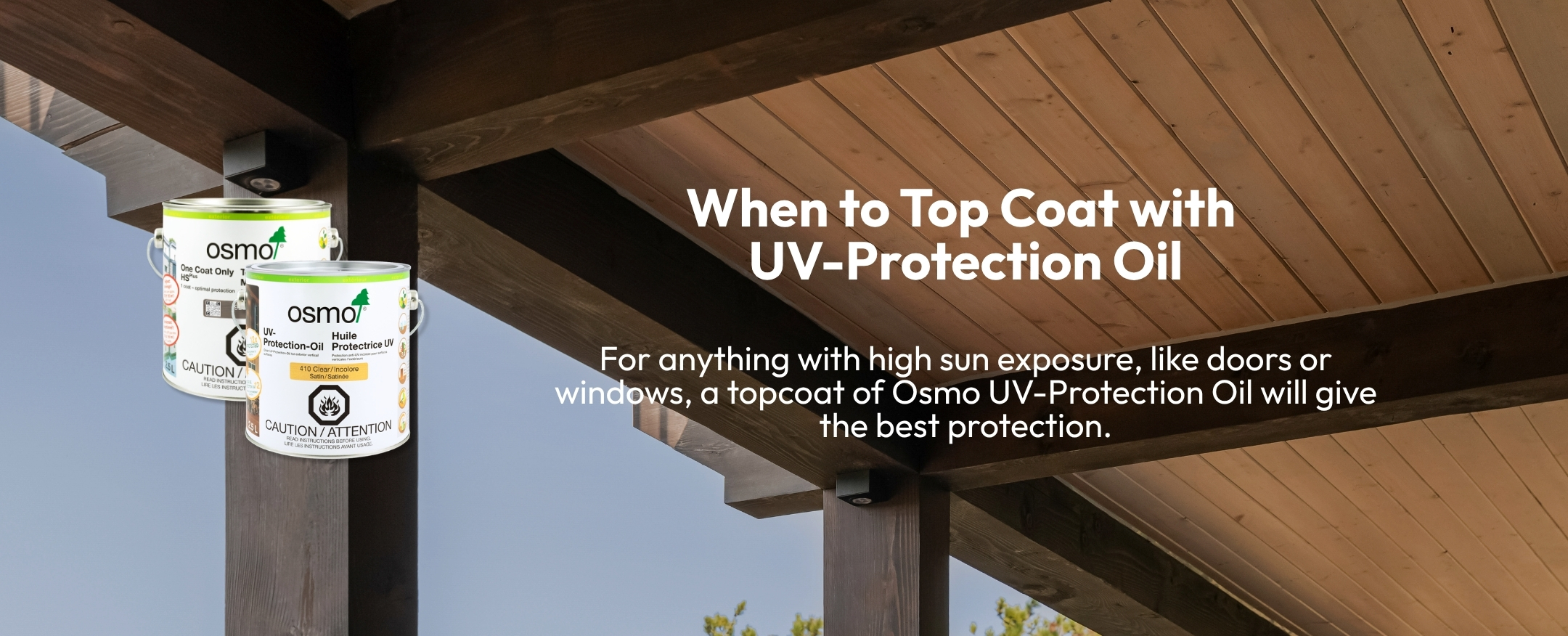
The finish is weather resistant and UV stable, but it's worth knowing that lighter, more transparent tones offer less protection against greying and bleaching on surfaces that get heavy, direct sun. For anything with high sun exposure, like doors or windows, a topcoat of Osmo UV-Protection Oil Extra Clear is the better long term option.
The Bottom Line
For contractors, fewer coats mean faster turnaround and fewer callbacks, because the finish is built to move with the timber rather than fight it. For makers and serious DIYers, this isn't a shortcut so much as a genuinely different way of thinking about how a finish should interact with wood.
One Coat Only HS Plus. One coat, done right, because it's built to move with the timber instead of against it.
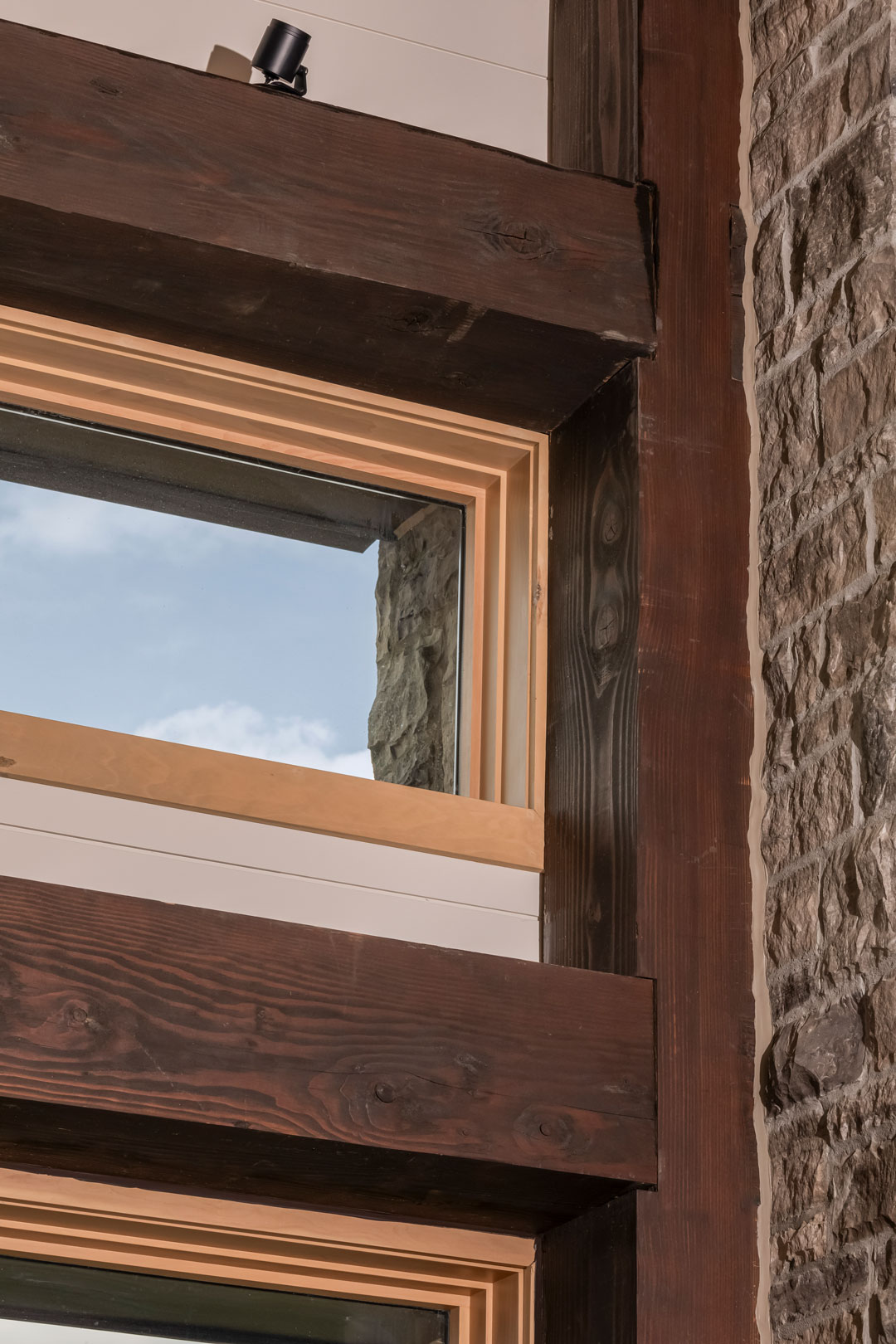

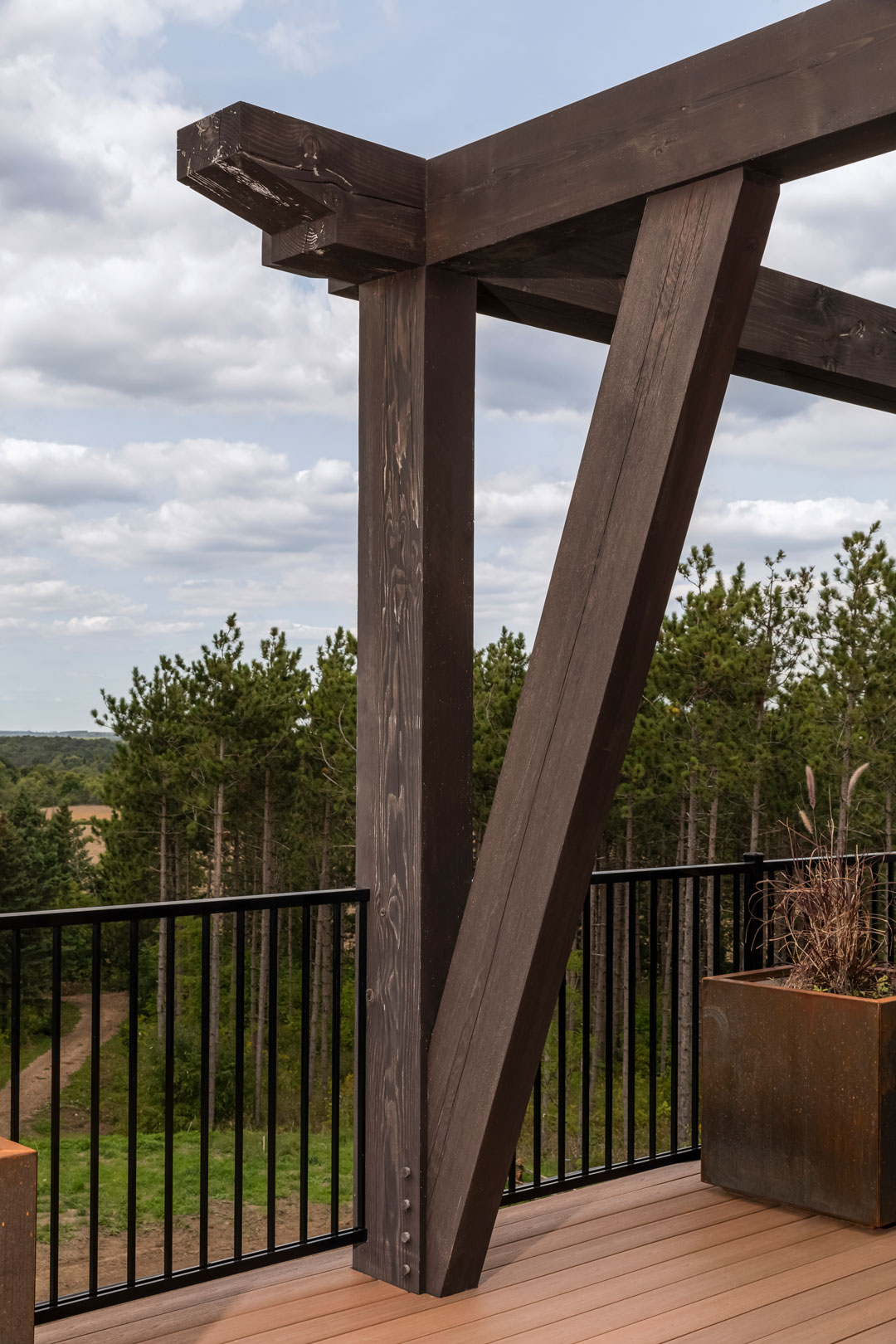
One Coat Only HS Plus for Timber framing
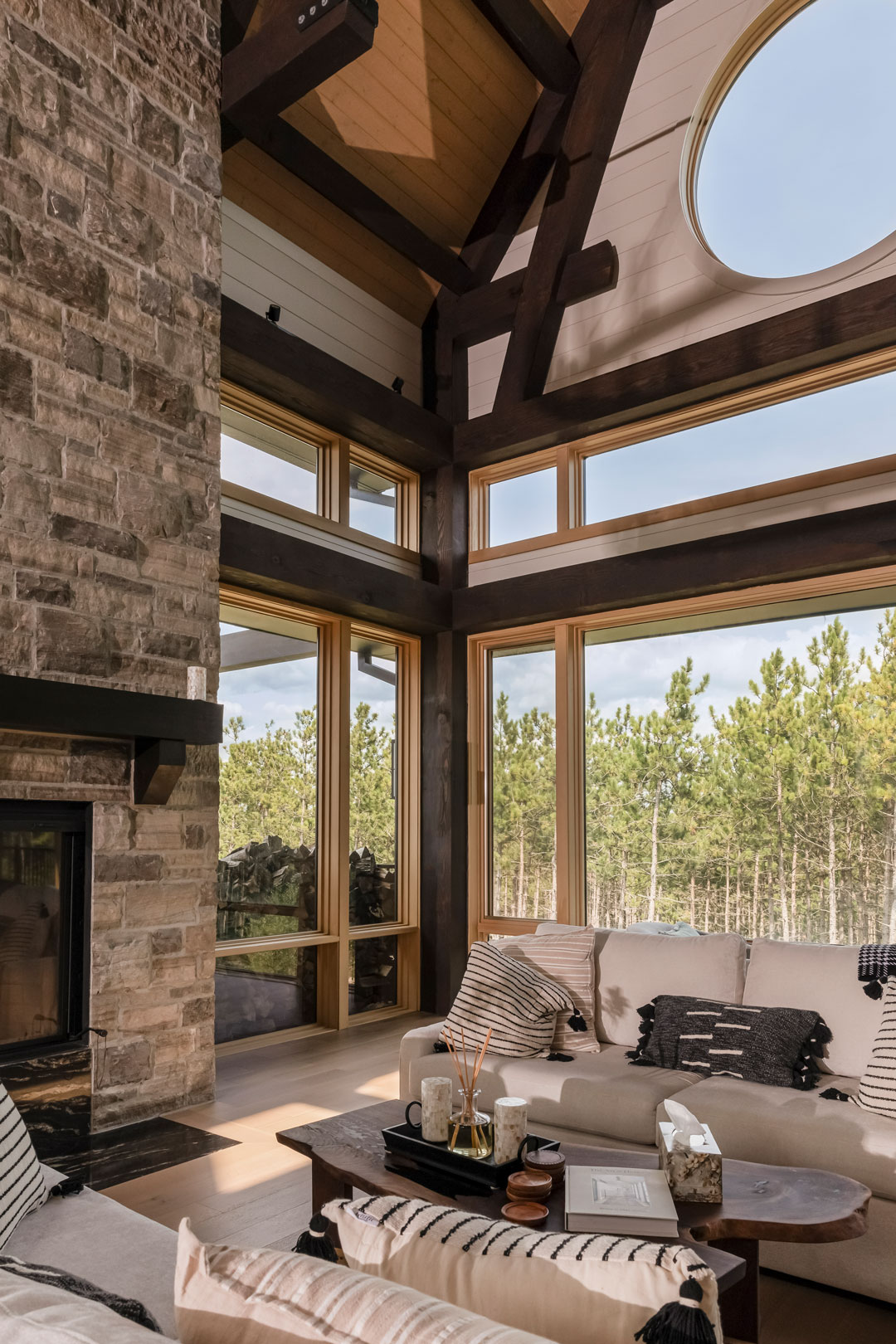
Osmo One Coat Only HS Plus is a premium pigmented Hardwax-Oil formulated for exterior timber, including exposed structural timber frame construction, where the finish needs to protect the wood without interfering with tight joinery or the long-term integrity of the frame.
What is Osmo One Coat Only HS Plus?: A high-solids, penetrating Hardwax-Oil, not a film-forming stain. That distinction matters for timber framers specifically: film-forming finishes tend to build up and crack at tight joinery points like mortise and tenon, dovetail, bridle, lap, and scarf joints, where movement is concentrated. HS Plus penetrates the wood instead of sitting on the surface, so it moves with the timber at every joint rather than against it. One thin coat covers approximately 280 ft² (26 m²) per litre on sanded wood.
Who is Osmo One Coat Only HS Plus for?: Built for timber frame builders, post and beam contractors, and craftsmen working in heavy timber, hand-hewn timber, and traditional timber framing, as well as anyone doing historical restoration on barn framing, timber trusses, or exposed roof framing where the original joinery and wood character need to stay visible, not buried under a heavy coating.
When to use Osmo One Coat Only HS Plus: Best applied once framing and joinery work is complete and the timber is clean, dry, and frost-free. Drying time is approximately 12 hours at 23°C and 50% relative humidity, with longer dry times in cooler or more humid conditions, worth planning around on larger structural jobs.
Where to use Osmo One Coat Only HS Plus: Suited to any exposed heavy timber construction, structural timber beams, pegged joinery, post and beam frames, and load-bearing timber elements exposed to weather, whether that's a new build or restoration work on older timber-framed structures.
Why Choose Osmo One Coat Only HS Plus for Timber Framing: Precision carpentry and interlocking joinery are only as good as the finish protecting them. A finish that cracks at a joint doesn't just look bad, it exposes end grain and connection points to moisture right where structural integrity matters most. HS Plus stays microporous, letting large timber sections breathe and move naturally through seasonal humidity changes, while still delivering full weather and UV resistance in a single coat, without masking the hand-crafted timber, wood shaping, or joinery detail underneath.
Once cured, it's low-VOC and safe for humans, animals, and plants, an eco-friendly timber finish suited to sustainable wood construction and durable wood construction alike.
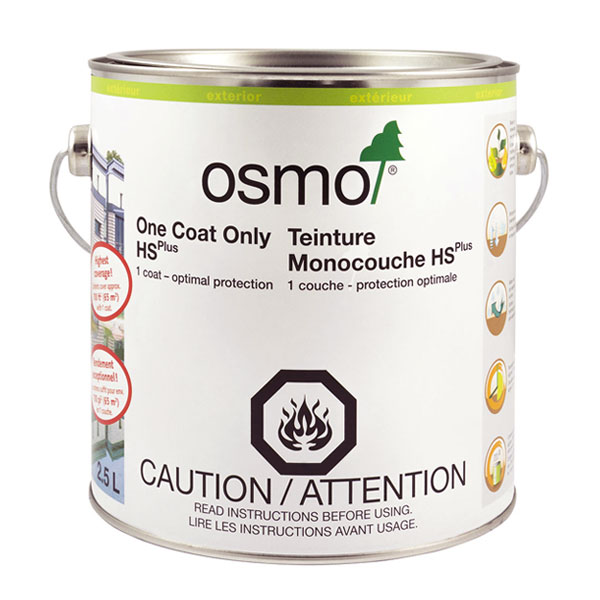

Where can I purchase One Coat Only HS Plus?
Find it in store at authorized Osmo dealers.
Need help? Use the ‘Find a supplier’ tab on our website to find the closest supplier near you.
Osmo One Coat Only HS Plus is a premium pigmented Hardwax-Oil built for exterior wood surfaces that need lasting protection without the labour of a multi-coat system. In this video, we cover how to apply Osmo One Coat Only HS Plus to fences, cladding, pergolas, and garden furniture using just one thin coat.


